

How to Design Cold Chain Boxes to Fit Refrigerated Truck Compartments?
Reusable and Cleanable Cold Chain Packaging
As the world becomes increasingly efficient and economically sustainable, the perception of single-use packaging as an economically viable option will end. For companies needing temperature control during transport, the ideal shipping container is one that does not retire after its first trip. The dream container is one that is durable enough to be cleaned and sanitized for use over and over again, and that can be cleaned sent back into the shipping and logistics stream dozens of times. The removal of disposable packaging from the supply chain is an economic advantage as the costs of packaging and waste removal are reduced. Of course, the disposable packaging is replaced by 'environmentally friendly, recyclable'; packaging. The entire packaging system must be designed to minimize waste. The entire system must be designed to reuse packaging. The entire system must be designed to reuse packaging. For example, we are utilizing the container for non-traditional purposes as 'temporary beacons' and as 'live beacons' when we block the container from use.
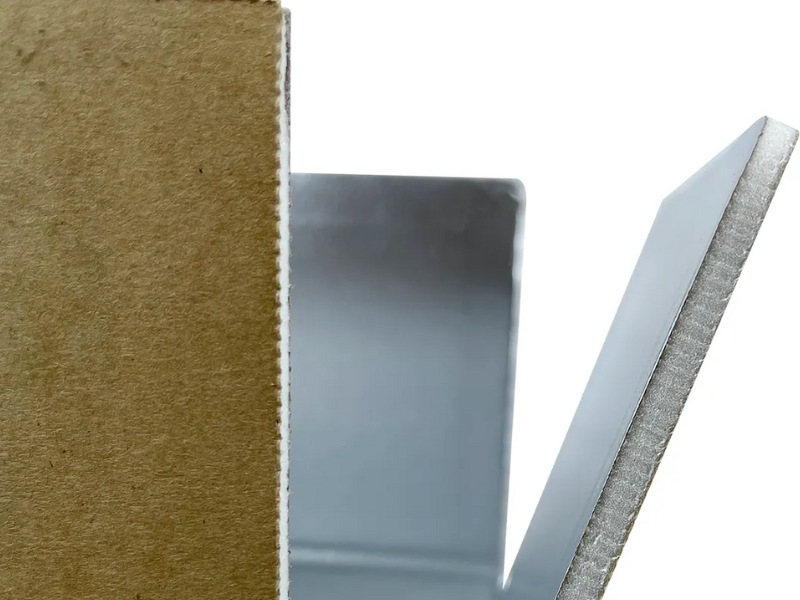
Material Properties That Enable Easy Cleaning
The topmost important quality for a reusable container is having a cleanable, non-porous surface. Cleanliness is where untreated such as corrugated cardboard and low-foamed porous materials fall short. They retain moisture and organic residue, actions that foster bacteria reproduction and that record bad smells and infections. For wipeable surfaces, plastic materials such as food-grade polypropylene (PP) or high-density polyethylene (HDPE) work quite well. Their surfaces are made out of durable, smooth, and unreactive material. Substances that are not chemically attached to the surface will become easily removable during cleaning. The same thing goes for a laminated surface, as they provide the same wipe-clean advantage for the rest of the materials underneath. The bottom line is, without wipe-cleaning and disinfecting the material is not suitable for a reusable container for more delicate items.
Structural Design for Maintenance and Longevity
Building reusable containers is more than just picking the right materials; the containers also need to be designed in a way that promotes easy cleaning and a long lifespan. Avoidance of Dirt Traps. Design joints need to be seamless. Dirt can easily accumulate in joints and edges. Smooth interiors with no or low number of glued joints are always better than constructions with plated joints. The box also needs to withstand not just the cleaning processes but also the abuse that comes with a shipping container. Container Cleaning Resistance. Cleaning temperatures are high and some cleaning solutions are harsh. Longevity and strength attributes toward structural integrity through abuse and time. Joints such as hinges and latches need to be designed so as not to become the weakest structural points. The Cold Chain Box is designed with integrity in mind and usually has reinforced corners that stand up to repeated impacts and latches are designed to close through abuse. The more a design promotes foolproof processes in cleaning and maintenance, the more intuitive the design can be termed.
Material Selection
A crate or box is primarily made for thermal insulation. Other functions that the box or crate serves is cleanability and durability. A plastic crate can be easy to machine but if it’s not insulative, then it won’t be valuable for the 48-hour transport of perishable food. This is where hybrid designs come in. A box can be made with durable, wipeable plastic and then have insulation with a thicker foam that can be closed cell polyurethane. This foam can be designed for easy removal for separate cleaning or replacement if it’s damaged while the outer shell of the box will withstand some abuse. The goal is to separate functions like structure, insulation, and cleanliness into parts that can be maintained separately and make the overall system last longer. This modularity is a path to a truly reusable cold chain system.
Hygiene Standards and the Reuse Promise
The promise of the reuse system is based on trust. Each person in the chain, especially the final consumer, must trust that the box is as clean and safe as a brand-new box. This trust requires the box to be made to food and pharmaceutical transport safety standards. The box should be made of food contact safe, non-toxic materials. The cleaning methods have to be unambiguous, validated, and capable of being properly executed every single time. A smooth, non-absorbent surface is the key that makes this validation possible. It allows for surface sanitation—you may swab the surface and conduct pathogen testing, assured that a clean reading means a truly clean box. By choosing Cold Chain Boxes made with the right materials, companies have the opportunity to commit to a circular economy. They get to support a system that minimizes waste, decreases costs in the long run, and sustains the foremost product safety and integrity standards, without exception, in each of their shipments.