

E-commerce Startup Basics: How to Choose the Most Suitable Shipping Container for Your Products
First-time e-commerce entrepreneurs might think the shape and size of a shipping container is a minor detail, but picking the right box is actually a major decision. Getting it wrong can lead to paying too much for shipping, losing customer trust due to damaged goods, and ultimately hurting your business. This guide offers practical, money-saving tips for new online sellers on how to choose smart shipping containers.
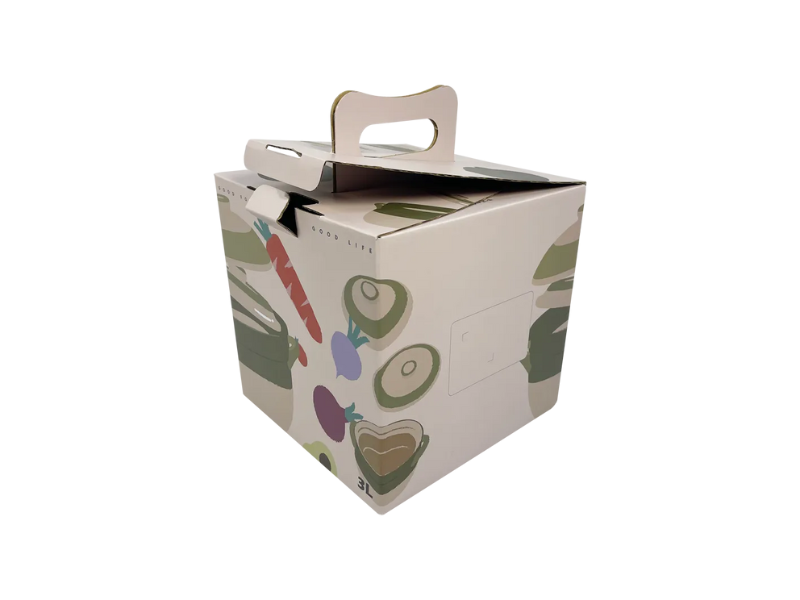
Why Getting the Box Size Right is Crucial for Your Bottom Line
Let's start with costs. Carriers don't just charge you for how much your package weighs. They also charge for the space it takes up, using a pricing method called dimensional or volumetric weight. If you ship a small item in an overly large box, you are essentially paying to ship empty air, which drives up your expenses. Choosing a correctly sized box is one of the most direct ways to control your shipping costs.
Beyond the price, the right packaging protects your product. A well-fitted box with proper cushioning prevents items from bouncing around during transit, dramatically reducing the risk of damage, returns, and the associated costs. It also contributes to a positive customer experience. A product that arrives in perfect condition inside a professional-looking package makes a great impression and encourages customers to buy from you again.
The Essential First Step: Accurately Measuring Your Product
You can't choose the right box if you don't know the exact size of what you're shipping. Here is a simple way to get it right. First, use the right tool. A flexible measuring tape works for most items, while a ruler or digital caliper is better for very small or precise products. Second, measure at the product's longest and widest points. Record the length, width, and height. Don't forget to include any protrusions, like product handles or decorative elements. Finally, and this is critical, add extra space for cushioning. Your product should never touch the inner walls of the box. Add at least 2 inches (or 5 centimeters) to each of your product's dimensions to account for protective materials like bubble wrap, foam inserts, or packing paper.
A Guide to Common Box Sizes and Carrier Rules
You probably don't need a custom-made box. A wide range of standard, cost-effective box sizes can fit most products perfectly. Here's a quick overview of typical options.
Small boxes, such as those measuring 30x20x15 cm or 12x8x6 inches, are ideal for lightweight, compact items. Think jewelry, small electronics, cosmetics, and sample products.
Medium boxes, around 45x35x25 cm or 18x14x10 inches, are the true workhorses of e-commerce. They perfectly fit items like apparel, shoes, books, and small kitchen gadgets.
Large boxes, like a 60x45x35 cm or 24x18x14 inch size, are suitable for bulkier goods. These include small appliances, handbags, framed artwork, or orders containing multiple items.
For very large items like furniture or wholesale orders, extra-large or freight boxes are necessary. These often require special handling and may need to be shipped on pallets.
Before you finalize your choice, always check your carrier's specific policies. Most have rules about maximum size and weight. A common standard is that the box's length plus its girth (which is calculated as height + width x 2) cannot exceed 108 inches. Boxes that exceed this limit may face hefty oversized fees or even be refused.
Choosing Durable Materials and Properly Filling Space
The box itself must be sturdy enough for the journey. For the vast majority of shipments, a corrugated cardboard box is the standard and best choice. The fluted layer between the cardboard sheets provides excellent strength and shock absorption. For heavier or more fragile items, consider upgrading to a double-walled corrugated box for superior protection.
An empty space inside a box is a hazard. It allows your product to shift and get damaged. This is where void fill comes in. Excellent options include bubble wrap for cushioning fragile items, lightweight air pillows for filling large voids efficiently, and biodegradable packing peanuts or crumpled kraft paper for eco-friendly cushioning. Avoid using materials like shredded office paper or newspaper that can settle and compact during transit, leaving your product unprotected.
Important Details: Labels and International Shipping
Sealing the box is not the last step. Proper labeling is essential for successful delivery. Always print your shipping label clearly and attach it securely to the largest flat surface of the box. If you are reusing an old box, be meticulous about removing or completely covering any old labels, barcodes, or shipping marks. A single stray barcode can confuse automated sorting systems and send your package to the wrong destination.
International shipping requires extra attention. Packages travel longer distances and go through more handling points, so durability is key. Reinforce all box seams with strong packing tape. Consider the climate; for long sea voyages or humid destinations, wrapping your product in a plastic poly bag inside the box adds a crucial moisture barrier. Finally, customs forms must be filled out completely and accurately. Honest declarations of contents and value prevent costly delays and penalties.
Putting It All Into Practice
Start by ordering a small variety pack of the most common box sizes that seem to fit your products. Do a test pack: place your product with its cushioning into the box, seal it, and weigh it. Then, get a shipping quote online. This hands-on test will quickly show you which box size is the most cost-effective for each item.
The goal is always to find the smallest box that still allows for adequate protective padding around your product. This minimizes dimensional weight charges and material costs. As your sales volume grows, you can buy boxes in larger quantities for better bulk rates. For your best-selling items, it may eventually make financial sense to invest in custom-sized boxes for the absolute perfect, efficient fit.
Mastering the basics of shipping containers is a fundamental skill for any e-commerce business. By making informed choices about box size, material, and packing, you directly protect your profits, your products, and your reputation, building a stronger foundation for your growing business.